Clinical Study Phases Vector Infographic: A Powerful Graphic Template for Business Branding
As a brand designer working with local businesses, I’m always on the lookout for graphic design assets that can elevate branding while remaining versatile and professional. When I first saw the Clinical Study Phases Vector Infographic, it immediately caught my attention—not just for its clean visual layout, but for how it communicates process and structure in a way that’s both modern and informative. While it may seem like a niche asset at first glance, I quickly realized its potential for a wide range of small business applications.
A Design That Suggests Clarity and Trust
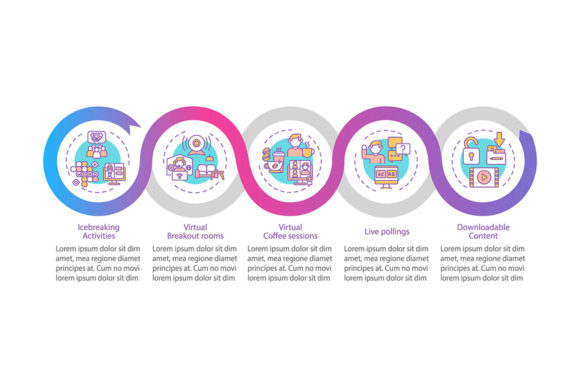
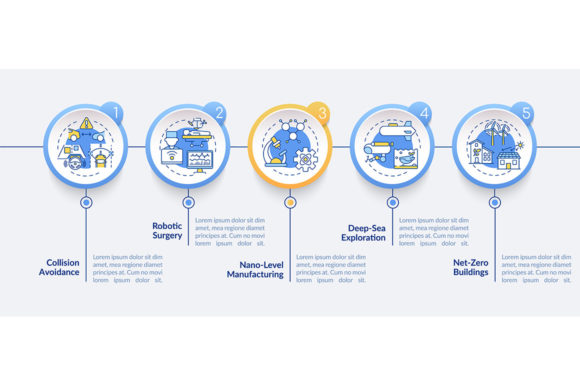
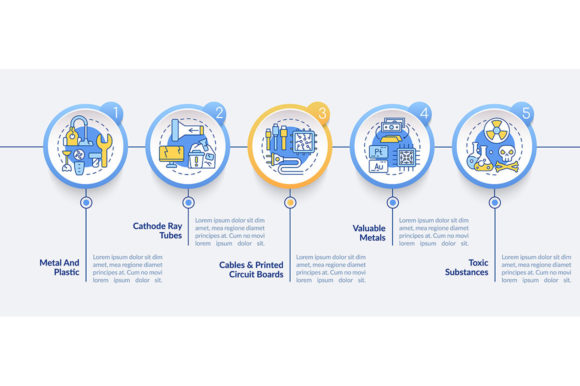
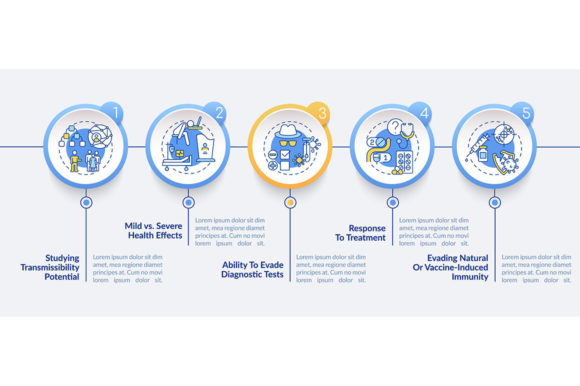
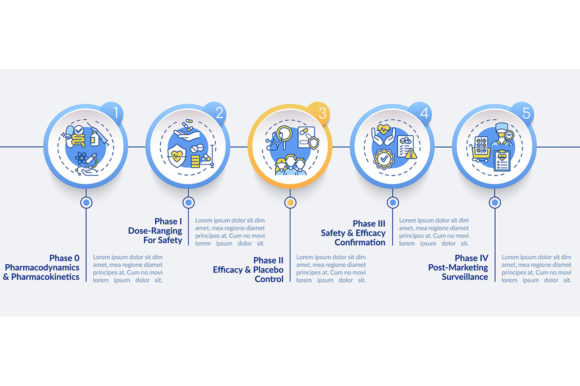
The Clinical Study Phases Vector Infographic is built around a 5-step data visualization model, featuring a linear icon-based workflow and a structured timeline chart. This gives it a very methodical and logical feel—perfect for brands that want to emphasize transparency, research-backed processes, or quality assurance. The mood it creates is one of professionalism and reliability, which aligns well with industries such as health, wellness, beauty, and even food where consumers value clear communication and trust.
It doesn’t scream “handmade” or “feminine,” but instead projects an organically refined personality. It feels more academic than playful, yet still approachable enough to be adapted into retail environments. If you're a boutique skincare brand, a coffee shop focusing on ethical sourcing, or a local supplement company, this infographic could help reinforce your commitment to quality and precision.
Practical Applications in Small Business Branding
This graphic design asset isn’t limited to scientific or medical contexts. Its clean structure makes it ideal for explaining product development timelines, ingredient sourcing, or customer journey steps in a visually appealing format. Here are some real-world uses I've considered:
- Product Labels: Use the infographic to highlight key stages of a product’s creation—especially useful for handmade soap, organic skincare, or artisanal foods.
- Packaging Accents: Incorporate the vector elements subtly into packaging design to add a touch of sophistication without overwhelming the main message.
- Social Media Campaigns: Break down a launch process or seasonal campaign using the 5-step layout to keep your audience informed and engaged.
- Flyers and Posters: Present your brand story or production values in a structured, easy-to-follow timeline for stronger visual impact.
- Website Banners: Showcase how your product is developed, tested, or curated using the infographic style for editorial design and web design consistency.
Enhancing First Impressions and Brand Consistency
One of the biggest advantages of using this infographic is how it helps create a stronger first impression. In today’s competitive market, especially among local businesses, having visuals that speak clearly about your brand's values can make all the difference. For example, when designing for a new candle brand that emphasizes natural ingredients and safe testing procedures, the Clinical Study Phases Vector Infographic becomes a tool for storytelling.
By integrating the vector layout into hang tags or printable inserts, you can communicate a sense of thoroughness and care. This not only improves product recognition but also contributes to clearer visual hierarchy. Customers can easily follow along with the phases, reinforcing your brand identity and building emotional connection through understanding and trust.
Where This Design Shines Brightest
The Clinical Study Phases Vector Infographic works particularly well in scenarios where you need to convey a process or journey. Some of the best use cases include:
- Hero Graphics: On landing pages or promotional banners, it can serve as a central visual element to explain what makes your product unique.
- Decorative Brand Elements: The linear icons can be repurposed as subtle accents in logo design or brand identity systems to maintain a cohesive look across materials.
- Seasonal Campaign Visuals: Repurpose the template to outline the steps of a holiday product development cycle or a special event rollout.
- Boutique Visuals: Especially for niche shops like apothecaries or holistic wellness stores, this infographic supports a modern design language while staying grounded in substance.
- Marketing Materials: Whether printed or digital, it adds a layer of professionalism to flyers, posters, and social media graphics.
When to Use It With Caution
While this graphic design asset is incredibly useful, it’s important to understand its limitations. For instance, it might not be the best fit for formal corporate branding where a more abstract or minimalist aesthetic is preferred. Similarly, if your product label is already cramped with information—like a food label listing multiple ingredients—you’ll want to avoid letting the infographic distract from the essential details.
I’ve also found that it should be used carefully in areas with low-contrast backgrounds or on very small labels. The intricate nature of the timeline and icons needs sufficient space to remain legible. Additionally, luxury minimalist brands may find the design too detailed unless simplified significantly. Always consider whether the decoration enhances or competes with your core message.
Brand Designer Tips for Real-World Use
Here are some practical notes I’ve picked up after evaluating the Clinical Study Phases Vector Infographic for several client projects:
- Test on Real Packaging Mockups: See how the design interacts with your product mockup before finalizing anything. Sometimes the scale or color balance looks different in print.
- Check Black and White Usage: Many packaging printers don’t support full-color prints. Ensure the infographic remains readable in grayscale.
- Preview on Small Labels: Zoom in and test the SVG or PNG versions on tiny surfaces like stickers or thank-you cards.
- Experiment With Brand Colors: Try applying your brand’s palette to the infographic to see if it maintains its clarity and visual appeal.
- Compare With Competitor Packaging: Use it as a tool to differentiate your brand’s presentation in a crowded marketplace.
- Review Print Quality: Make sure the vector file handles high-resolution printing without losing sharpness, especially if used in professional branding efforts.
- Inspect PNG Transparency: If you plan to overlay it on photos or other graphics, ensure the PNG version has a transparent background.
- Test Font Pairings: Try it beside serif, sans serif, script, handwritten, and display fonts to find the right balance between function and style.
- Confirm Commercial Licensing: Before using it for physical product sales or client work, always verify the commercial license terms. It's part of good practice in commercial design.
Why Local Businesses Should Care About This Asset
For local entrepreneurs, especially those in handmade, boutique, or specialty niches, having the right graphic templates can streamline the creative process and improve the overall polish of your marketing visuals. The Clinical Study Phases Vector Infographic offers a fresh way to present complex ideas in simple, digestible steps—something that resonates well with today’s consumers who seek both beauty and clarity.
Whether you're creating a Canva template for a social media post, designing a product label for a new line of organic teas, or crafting a promotional flyer for a seasonal candle collection, this asset provides a solid foundation. It supports better shelf appeal by making your packaging stand out with a structured, educational layout, and it strengthens customer trust by showing a transparent process.
Final Thoughts on Integrating the Infographic Into Your Brand
Incorporating the Clinical Study Phases Vector Infographic into your small business branding doesn’t mean you have to stick strictly to clinical themes. Instead, it offers a framework that can be creatively adapted to suit various industries. From explaining the steps behind your candle-making process to showcasing how your skincare products are developed and tested, it’s a valuable addition to any brand designer’s toolkit.
What I appreciate most is how it bridges the gap between editorial design and promotional material. It’s not just a clipart—it’s a strategic graphic that can be used to tell a story, build credibility, and enhance the visual experience of your customers. Just remember to adapt it to your brand’s voice and ensure it serves the purpose of your message rather than overshadowing it.
If you’re looking for a graphic template that brings order to your visual communication and helps your brand feel more trustworthy and polished, this infographic could be exactly what you need. Evaluate it carefully, test it thoroughly, and let it become a meaningful part of your brand’s narrative.