Deafness Causes Vector Infographic
First Impressions of Deafness Causes Vector Infographic
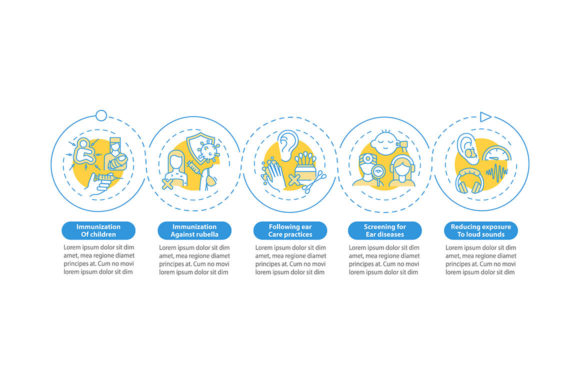
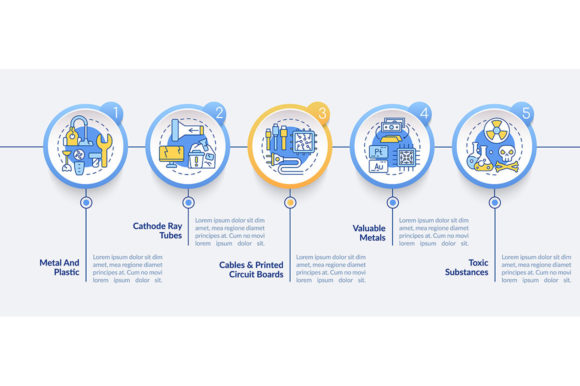
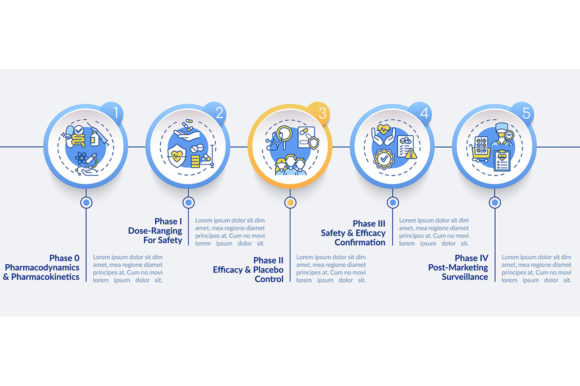
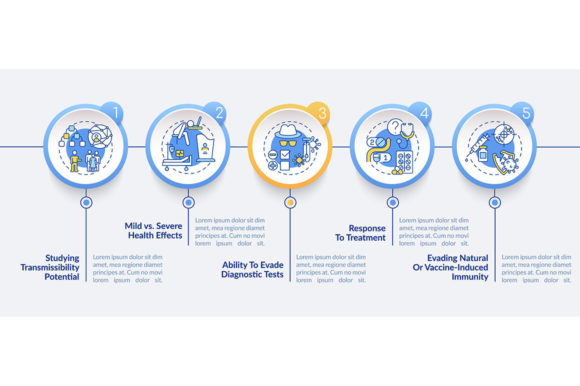
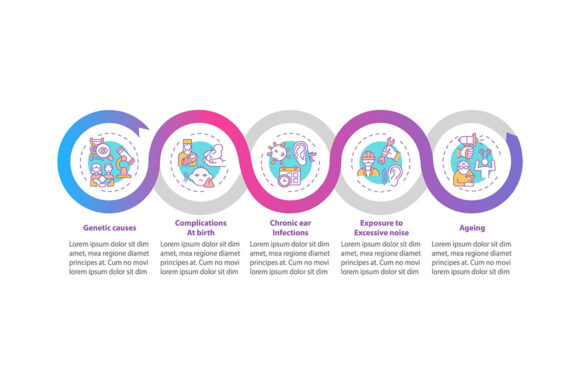
When I first opened the Deafness Causes Vector Infographic, I was struck by its clean, professional aesthetic. The design feels structured yet approachable, with a data-driven theme that suggests educational or informational use. The layout is clear, making it easy to follow the 5-step process timeline and understand the workflow. This makes it ideal for embroidery projects that aim to convey information in a visually engaging way.
The linear icons and minimal color palette give it a modern feel, which could work well on custom apparel, baby items, or even as an embroidered patch. It’s not overly flashy, but it has a subtle sophistication that could elevate a handmade product or a boutique offering.
Real-World Embroidery Applications
For embroidery designers and small business owners, Deafness Causes Vector Infographic could be a valuable addition to their design library. Imagine using it on a tote bag design for a nonprofit organization focused on hearing health, or as part of a sweatshirt embroidery project for a medical-themed craft fair booth. The infographic’s structure would translate well into machine embroidery design, especially if simplified for stitching clarity.
It also has potential for personalized gifts, such as a baby onesie or a holiday gift with a meaningful message. The visual personality of the design aligns with themes like education, awareness, and storytelling—key elements for handmade products that resonate emotionally with customers.
Where Deafness Causes Vector Infographic Shines
This design excels in projects that require clear visual communication without overwhelming detail. It works best on flat surfaces like t-shirts, tote bags, and pillow covers where the linear layout can be fully appreciated. For commercial embroidery, it could serve as a digital embroidery file that adds value to a printable mockup or a digital product preview.
As a graphics template, it offers flexibility for customization. Whether you're an Etsy seller looking for unique design assets or a craft business owner seeking fresh ideas, this infographic could be adapted for different fabric types and color schemes. Its simplicity allows for easy modification, making it a practical choice for both personal and commercial projects.
Considerations for Embroidery Designers
Before using Deafness Causes Vector Infographic in your next embroidery project, there are several factors to consider. First, test the design on scrap fabric to ensure the stitch density is appropriate. If the design has intricate details, you may need to adjust the fill stitches or simplify certain elements to avoid thread breakage or puckering.
For small hoop sizes, this design might require splitting into sections, depending on how detailed the elements are. If you're working with textured fabrics or stretchy materials, make sure to use the right stabilizer to maintain the integrity of the embroidery. Thread color contrast is also important—especially if the design will be stitched on dark fabric, where lighter threads might not show up as well.
Best Fit for Specific Projects
Deafness Causes Vector Infographic is most suited for projects that benefit from a clean, informative layout. It could work well as an applique design on a baby blanket or as a satin stitch element on a holiday gift. However, it may not be ideal for curved surfaces like caps or detailed corners where the linear style might look out of place.
If you’re planning to sell finished products, always confirm the licensing terms before using the design commercially. As a digital embroidery file, it could be a great asset for a handmade shop or a boutique brand looking to offer branded merchandise. Just be mindful of the limitations when working with thin or delicate fabrics.
Practical Tips for Using Deafness Causes Vector Infographic
Here are some key tips to keep in mind when incorporating Deafness Causes Vector Infographic into your embroidery projects:
- Test on scrap fabric to check stitch density and fabric compatibility.
- Review thread color contrast for different fabric backgrounds.
- Confirm hoop size to ensure the design fits comfortably.
- Inspect small details for clarity and readability after stitching.
- Use proper stabilizer for stretchy or textured fabrics.
- Check if the design works for both personal and commercial use.
- Verify licensing before selling finished items or digital products.
Final Thoughts on Deafness Causes Vector Infographic
Overall, Deafness Causes Vector Infographic is a versatile design that offers both visual appeal and functional value. Its structured layout and clean lines make it suitable for a wide range of embroidery projects, from custom apparel to personalized gifts. While it may not be the best fit for every type of fabric or project, it has the potential to enhance the professionalism and appeal of your handmade products.
As an embroidery designer, I’d recommend using this infographic for projects that require clear communication and a polished look. Whether you're creating a tote bag design for a craft fair or adding a meaningful touch to a baby item, Deafness Causes Vector Infographic could be a valuable addition to your design toolkit.