Head Trauma Vector Infographic Template for Graphic Design Assets
As an experienced digital product creator, I always look for design assets that are versatile, visually engaging, and easy to adapt across platforms. The Head Trauma Vector Infographic Template caught my attention for its structured layout and medical-themed visuals. It’s not the kind of asset you’d use for a birthday card or a whimsical T-shirt, but if your niche is health education, data visualization, or professional presentations, this one could be a solid addition to your graphic templates collection.
First Impressions: A Professional Medical Vibe
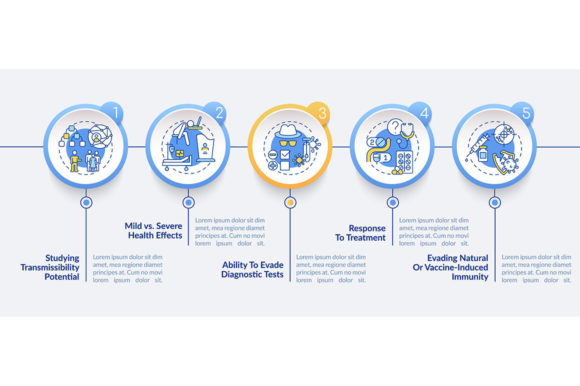
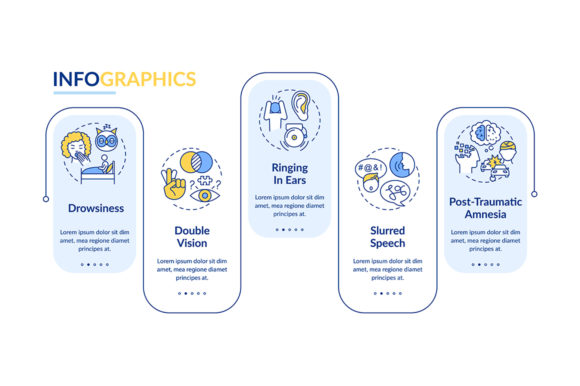
The moment I unzipped the file and viewed the contents, I sensed this was aimed at a specific audience. The Head Trauma Vector Infographic Template has a clean, educational feel with a focus on symptoms and processes related to brain injuries. The 5-step process timeline feels methodical, which makes it ideal for content creators in healthcare, psychology, or even educators who need clear visual explanations.
Visually, it leans more toward the modern and premium side than anything playful or decorative. The linear icons and straightforward flow suggest this isn’t for bold or artistic expression but rather for conveying information clearly. That said, there's a certain elegance in the way the template is laid out — it doesn’t scream for attention, but it does hold its ground when explaining complex ideas.
Who Might This Attract?
- Educators creating lesson plans or student handouts on head trauma.
- Healthcare professionals needing infographics for patient education materials.
- Bloggers or content creators covering topics like neuroscience, injury recovery, or first aid.
- Graphic designers working on corporate wellness campaigns or hospital marketing collateral.
Testing the Template Across Products
I tested the Head Trauma Vector Infographic Template on several product types to see how it translates into sellable items. Here’s what I found:
SVG and PNG Designs
The vector format is a big plus for SVG users. It scales perfectly without losing quality, making it suitable for print-on-demand products like t-shirts, mugs, and tote bags. The PNG versions also have good transparency, so they work well as overlays or standalone graphics. However, if you're planning to use them for tiny sticker details, the intricate lines may get lost in small sizes — something to keep in mind before finalizing any Cricut project.
Printable Wall Art and Planner Stickers
For large-format printable wall art, the template shines. The workflow layout is clear and fits well within standard poster dimensions. But when using it for planner stickers, I noticed the linear icons can become less legible unless resized carefully. You might want to simplify or isolate key elements if you're going the sticker route.
Canva Templates and Creative Marketplace Listings
This template works especially well as a Canva template or for creative marketplace listings. The structure supports layered design files, so buyers can easily edit text boxes and colors. If you’re selling it as part of a themed bundle — say, a neuroscience or safety awareness package — pairing it with other infographic-style assets will give your listing a cohesive, professional appearance.
Product Presentation and Customer Appeal
When it comes to presenting this asset as a digital product, the key is clarity and purpose. I created a few mockups for Etsy and Shopify to test how the template would appear in listings. On white backgrounds, the design looked crisp and informative; on dark ones, it still held up but required careful contrast adjustments to maintain readability.
The thumbnail appeal is decent, especially if you highlight the 5-step process in a preview image. Customers browsing for presentation design elements or infographic layouts often look for assets that tell a story at a glance. The Head Trauma Vector Infographic Template delivers that by organizing information into a clear, linear workflow — perfect for visual storytelling.
Enhancing Brand Consistency and Perceived Value
If you're running a brand around health, science, or professional development, this template can help maintain a consistent visual language. Its minimalistic approach avoids overwhelming the viewer, which builds trust and professionalism. Buyers are more likely to invest in a product that looks polished and ready to go, and this template certainly contributes to that perception.
It’s also useful for building product bundles. Pair it with other medical-themed illustrations or infographic templates to create a “Health Education Pack” or a “Brain Injury Awareness Bundle.” These kinds of collections tend to attract both individual educators and businesses looking for multiple assets at once.
Where This Asset Works Best
- Large Product Previews: Use the full layout in high-resolution mockups to showcase its detailed nature.
- Themed Bundles: Group it with related assets for a more comprehensive offering.
- Decorative Layouts: Ideal for posters, brochures, or educational materials where clarity is key.
- Printable Products: Great for downloadable PDFs or printables sold via digital download shops.
- Miscellaneous Merchandise Graphics: Try it on tumbler wraps or packaging design for a subtle yet informative touch.
- Social Media Promos: Extract sections to create Instagram posts or LinkedIn articles about health awareness.
Where to Use It Carefully
While the Head Trauma Vector Infographic Template is powerful in the right context, it’s not universally applicable. For example:
- On tiny sticker details, the complexity of the iconography gets compromised.
- In crowded thumbnails, the design can lose impact unless simplified or cropped strategically.
- With text-heavy templates, the visual hierarchy may suffer if too much copy is added.
- For Cricut or Silhouette projects, inspect the SVG cut paths closely — some elements might require cleanup before use.
If you're considering using this asset for sublimation designs or nursery prints, make sure the color palette aligns with those markets. Also, avoid placing it on dark or low-contrast backgrounds unless you’ve adjusted the layers accordingly.
Practical Seller Notes Before Publishing
Here are a few tips based on my testing and experience with graphic templates:
- Test the design on real product mockups to see how it performs on different surfaces and sizes.
- Preview it as a marketplace thumbnail to ensure it stands out in a scroll-heavy feed.
- Check the ZIP file contents thoroughly. Make sure all layers and elements are properly organized for customer use.
- Verify commercial licensing before selling finished products — this is crucial for legal compliance.
- Confirm file resolution for print-based products to prevent blurry outputs.
- Inspect SVG cut quality if you're targeting Cricut or Silhouette users. Smooth paths mean better cutting results.
- Pair it with appropriate fonts. It works best with sans serif or display font styles for readability and modern aesthetics.
- Consider background variations. Test the template on white, light, and dark tones to understand its versatility.
Final Thoughts for Digital Sellers
The Head Trauma Vector Infographic Template isn't a one-size-fits-all solution, but it's a strong contender for niches focused on education, health, or data visualization. As a graphic design asset, it adds value to digital downloads, social media content, and print-on-demand offerings — especially when paired with the right supporting elements.
If you're a designer or small business owner aiming to elevate your product line with something that feels professional yet accessible, this template could be worth adding to your repertoire. Just remember to tailor it to the right market and double-check technical aspects before publishing. After all, every successful digital product starts with a smart, strategic review — and this one passes the test with flying colors.