Instructional Guide Vector Infographic: Graphics for Clear Brand Communication
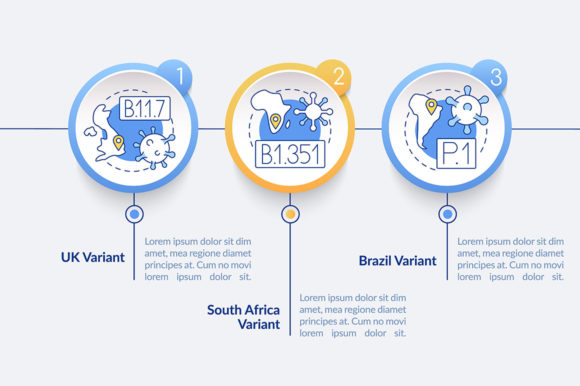
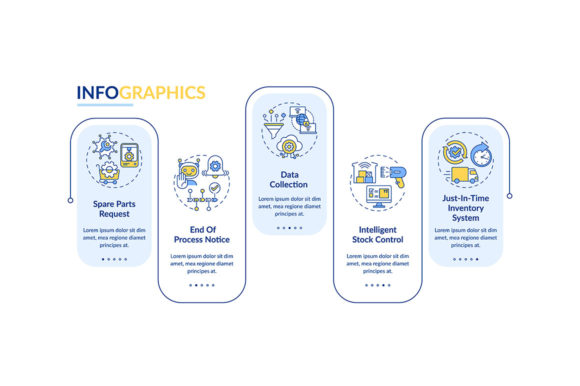
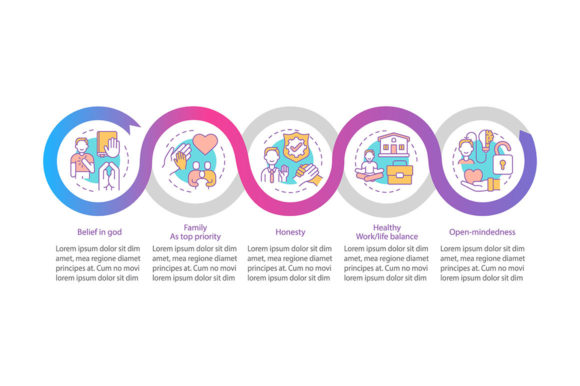
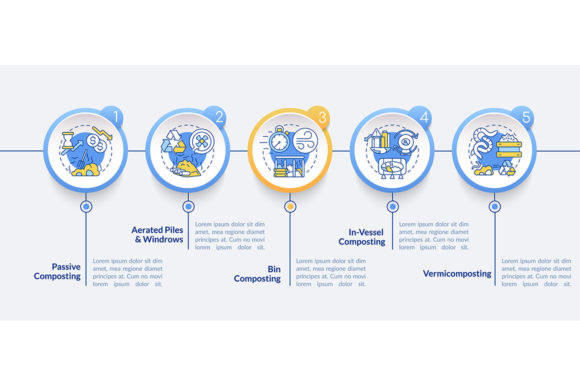
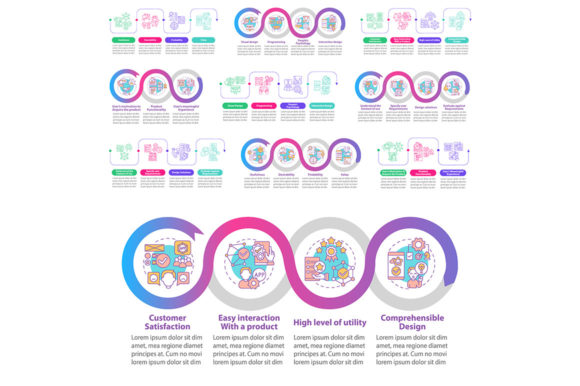
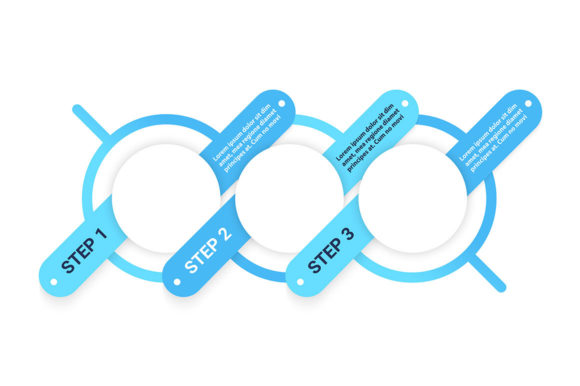
The Instructional Guide Vector Infographic is a versatile graphic design asset that offers a clean, structured approach to visual storytelling. Its blue geometric presentation design elements with text space make it ideal for data visualization, process timeline charts, and workflow layouts with copyspace. As a brand designer and content marketer, I’ve found this template to be particularly useful in campaigns that require clarity, professionalism, and a modern aesthetic.
First Impressions: A Visual Language of Clarity and Professionalism
Upon first glance, the Instructional Guide Vector Infographic evokes a sense of order and precision. The blue color palette suggests trust, reliability, and a professional tone, making it well-suited for commercial design, digital product visuals, and brand identity projects. The geometric shapes and structured layout create a mood that’s both modern and approachable, which can resonate well with audiences looking for clear, easy-to-digest information.
This infographic template is especially effective for small business branding, where visual consistency is key. It can be used to support content marketing efforts, such as blog graphics, email banners, or social media graphics, without overwhelming the viewer. The balance between visual elements and white space ensures that the design remains uncluttered, even when conveying complex processes or steps.
Real-World Applications: From Social Media to Packaging Design
In a real marketing project, imagine a small business launching a new product line. The Instructional Guide Vector Infographic could serve as a central visual element in their campaign. For example, it could be used as a hero graphic on their website header, a social media cover for their Instagram profile, or a Pinterest pin promoting their latest offering. Its workflow layout with copyspace makes it easy to customize for different platforms and messages.
For packaging design or product labels, this infographic can act as a subtle accent, reinforcing the brand’s commitment to clarity and organization. In editorial design or content kits, it provides a cohesive visual thread that ties together various pieces of content. Whether used as a Canva template, a printable design, or part of a design bundle, the Instructional Guide Vector Infographic offers flexibility without sacrificing quality.
Supporting Marketing Goals: Building Trust and Engagement
One of the strongest aspects of this design asset is its ability to enhance visual hierarchy. The clear structure of the infographic helps guide the audience’s eye through the content, making it easier to absorb information quickly. This is especially important in digital ads, where attention spans are short and first impressions matter.
By using this infographic in marketing visuals, brands can build stronger audience trust. The clean, professional appearance signals that the brand is organized and reliable. This is crucial for small business owners or online coaches looking to establish credibility in a competitive market. The asset also supports better product presentation, whether it’s for an e-commerce site, a lead magnet, or a promotional banner.
Best Use Cases: When the Infographic Shines
The Instructional Guide Vector Infographic excels in scenarios where simplicity and structure are valued. It works well as a hero graphic for campaign headers, a branded template for content bundles, or a decorative brand element in editorial layouts. For event promotions or seasonal offers, it can serve as a clear and engaging visual tool that communicates the message effectively without distraction.
When integrated into social media graphics, this template helps maintain a consistent look across platforms. It pairs well with both serif and sans serif fonts, allowing for versatility in typography choices. As a PNG design or SVG design, it’s easy to scale and adapt for different uses, from website headers to merchandise and stickers.
Caution Areas: When to Avoid or Adjust the Infographic
While the Instructional Guide Vector Infographic is highly functional, it may not be the best fit for every situation. In formal corporate branding, where minimalism is key, the geometric elements might feel too busy. Similarly, in dense information layouts or small mobile graphics, the design could become difficult to read or lose its impact.
For overly minimal brands or text-heavy ads, this infographic might compete with the main message rather than support it. Low-contrast backgrounds could also reduce its effectiveness, so it’s important to test it in different contexts. When using it in paid campaigns or client work, always confirm the commercial license to ensure compliance.
Practical Designer Notes: Testing and Customization
As a brand designer, I recommend testing the Instructional Guide Vector Infographic with your brand’s color palette to ensure it aligns with your visual identity. Check how it looks in black and white, and consider how it pairs with different font styles—serif, sans serif, script, or display fonts. Pay close attention to spacing and balance, as even small adjustments can significantly impact the overall look.
Previewing the design on mobile screens is essential, as the infographic needs to remain readable at smaller sizes. Comparing it against competitor visuals can also help determine if it fits within your industry’s standards. When using it in a design bundle or as part of a digital product, make sure it complements other assets without clashing.
Conclusion: A Powerful Tool for Modern Branding
The Instructional Guide Vector Infographic is more than just a graphic design asset—it’s a practical solution for brands looking to communicate clearly and professionally. Whether you’re a content creator, small business owner, or digital seller, this template offers a strong foundation for visual storytelling. With its emphasis on structure, clarity, and visual consistency, it supports a wide range of marketing goals while maintaining a polished, modern appearance.