Creative Infographic Element Design for Graphic Templates
First Impressions: A Visual Statement for Creative Projects
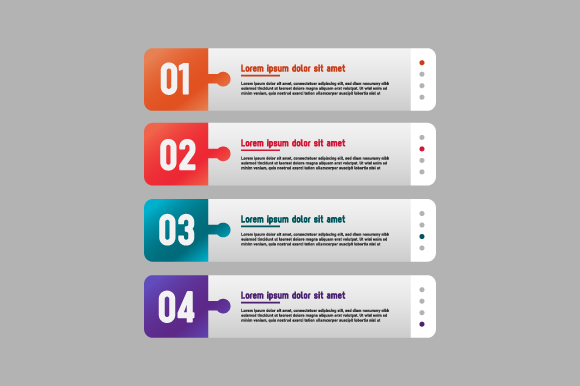
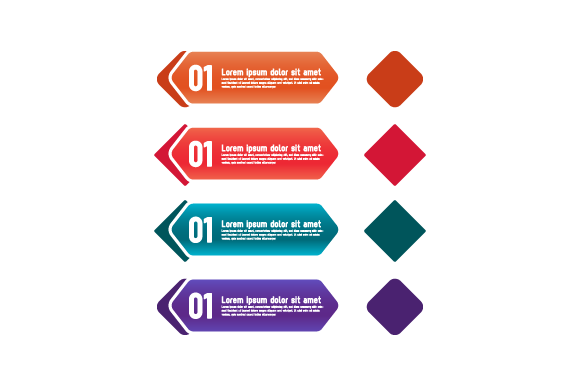
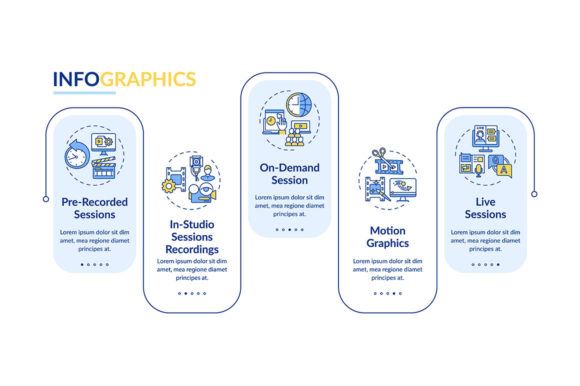
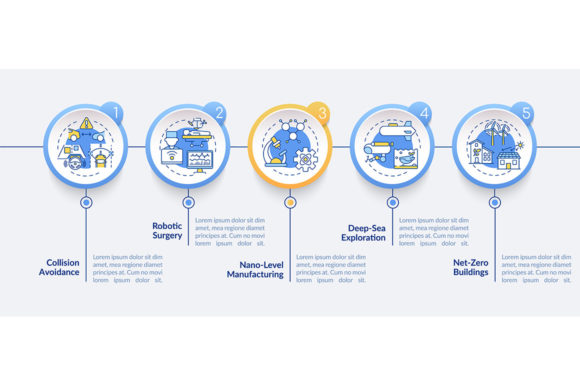
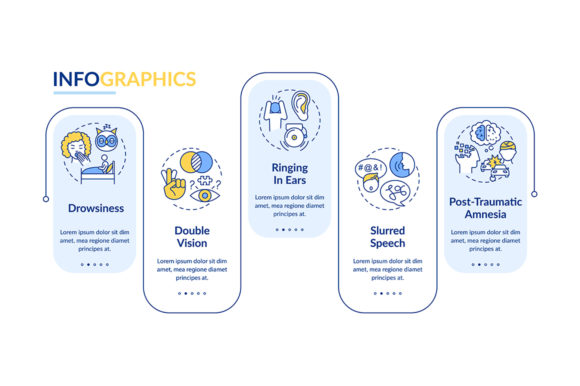
When I first opened the Creative Infographic Element Design, I was struck by its bold yet balanced approach to visual storytelling. The design feels modern and dynamic, with a strong emphasis on clarity and structure. It’s not just a graphic—it’s a statement that can elevate any project from basic to professional. The use of clean lines, geometric shapes, and thoughtful spacing gives it a versatile feel that works across multiple platforms.
What This Asset Brings to the Table
This graphic design asset is ideal for projects that require a visual punch without overwhelming the viewer. Its style leans toward contemporary branding, making it a great fit for small business branding, handmade businesses, or seasonal campaigns. Whether you’re working on a digital product or a print-on-demand item, the Creative Infographic Element Design offers a level of polish that can make your client’s work stand out.
The files included—Ai, Eps, Svg, Png, Jpg—ensure flexibility for different uses. From vector-based editing in Adobe Illustrator to high-quality PNGs for web use, this design bundle has the tools needed to support a wide range of creative needs.
Real-World Applications: Where This Design Shines
In real design situations, the Creative Infographic Element Design excels as a supporting element in larger compositions. It works well as a hero graphic for a social media post, a background for a blog visual, or a decorative accent in a packaging design. For a client launching an Etsy product, this asset could serve as a key visual element that ties together their brand identity and marketing visuals.
It also functions as a strong base for sticker design, t-shirt design, or Canva templates. When paired with a bold font or a simple layout, it adds a layer of sophistication that can enhance the overall aesthetic of a project. For a handmade business looking to create a cohesive look across multiple products, this design asset could be a valuable addition to their creative marketplace toolkit.
Best Use Cases: Large Layouts and Themed Campaigns
The Creative Infographic Element Design thrives in large layout areas where it can be fully appreciated. It’s perfect for product mockups, campaign visuals, or themed collections that require a consistent visual language. In a print-on-demand scenario, this design could be used as a sublimation design for mugs or tote bags, adding a unique touch to everyday items.
For editorial design or web design, it can act as a strong focal point that draws attention without distracting from the main message. It also works well as part of a broader design system, helping to maintain visual hierarchy while keeping the overall look modern and engaging.
Where to Be Cautious: Minimalist and Corporate Projects
While this design is powerful, it may not be the best fit for minimalist branding or professional corporate materials. In low-contrast environments or crowded layouts, it can become visually overwhelming. For a client focused on clean, straightforward design, this asset might need careful placement or modification to avoid clashing with other elements.
Additionally, when used in small sizes—such as on a logo or a tiny icon—the details may not translate well. It’s important to test it at various scales before finalizing any project.
Design Considerations: Testing and Preparation
As a designer, I always recommend testing any graphic design asset in different contexts. For the Creative Infographic Element Design, I suggest previewing it on both light and dark backgrounds to ensure contrast remains effective. Checking how it looks in black and white can also reveal hidden issues that might not be obvious in color.
Testing it on real mockups, whether for a product label or a social media graphic, helps determine how it will perform in the final application. If it’s intended for print, reviewing the file formats and checking the PNG transparency (if applicable) is essential for ensuring quality output.
For commercial use, verifying the commercial license is a must. This is especially important if the design is being used for a client’s project, as licensing issues can lead to legal complications down the line.
Design Notes: Practical Tips for Using This Asset
When using the Creative Infographic Element Design, consider how it interacts with different typefaces. Pairing it with a serif font might add a more traditional feel, while a sans-serif or display font could give it a more modern edge. Handwritten fonts might not complement the clean lines, so it’s worth experimenting to find the right balance.
If the design is being used in a Cricut project or a sticker design, make sure the vector paths are clean and editable. For SVG designs, confirming editability in software like Adobe Illustrator or Inkscape can prevent unexpected issues during production.
Ultimately, the Creative Infographic Element Design is a versatile tool that can enhance a variety of creative projects. Whether it’s supporting a small business branding effort or adding flair to a digital ad, it offers value when used thoughtfully and with attention to detail.
Final Thoughts: A Valuable Addition to Your Design Toolkit
As a designer who works on everything from packaging design to social media graphics, I find that assets like the Creative Infographic Element Design can be incredibly useful. They save time, add consistency, and provide a professional finish that clients appreciate.
For anyone looking to streamline their workflow or elevate their visual content, this design asset is worth considering. Just remember to test it thoroughly, respect the licensing terms, and use it in ways that align with the project’s goals and audience.