Food Waste Sorts Vector Infographic Graphics
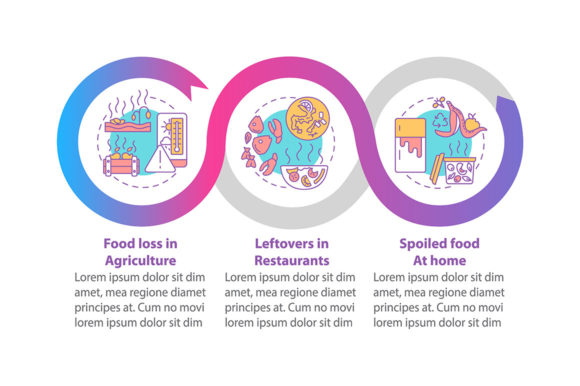
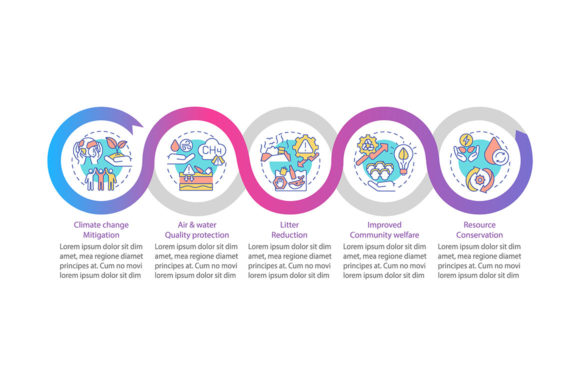
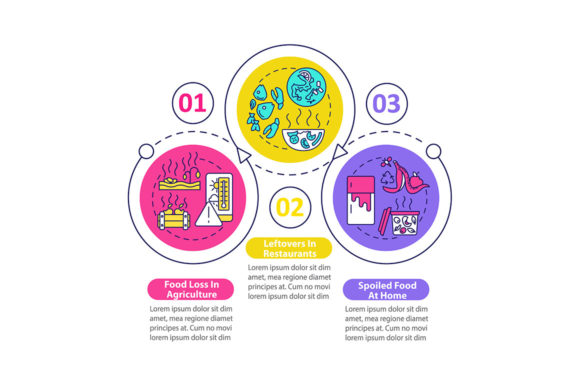
The Food Waste Sorts Vector Infographic is a compelling graphic design asset that offers a clean, structured approach to visual storytelling. As a brand designer and content marketer, I was immediately drawn to its ability to simplify complex ideas through data visualization and workflow layout. The design elements—restaurant leftover and spoiled food presentation graphics—create a clear narrative that aligns with modern design trends while maintaining a professional tone.
First Impressions: A Visual Storyteller in Disguise
Upon first glance, the Food Waste Sorts Vector Infographic evokes a sense of order and purpose. The linear icons and process timeline chart suggest a methodical approach, making it ideal for campaigns that emphasize efficiency, sustainability, or educational content. Its visual mood is neutral yet informative, allowing it to fit into both casual and premium branding contexts. Whether used for lifestyle content or commercial marketing materials, the infographic maintains a consistent aesthetic that supports audience perception without overwhelming the viewer.
This design asset works well in scenarios where clarity and structure are key. It can enhance brand identity by offering a visual language that reinforces messaging around waste reduction, food safety, or environmental responsibility. For small business branding, it provides a strong foundation for social media graphics, packaging design, or editorial layouts that need to communicate a message effectively.
Real-World Application: From Social Media to Packaging Design
Imagine a small business launching a seasonal product focused on reducing food waste. The Food Waste Sorts Vector Infographic could serve as a central element in their campaign visuals. As a Canva template, it allows for quick customization, ensuring that the brand’s color palette and typography remain consistent across all marketing materials.
In social media graphics, the infographic can be adapted into Instagram posts, Pinterest pins, or Facebook ads. Its workflow layout makes it perfect for explaining a process, whether it's about how to properly sort food waste or how to create a sustainable kitchen. When paired with a strong call-to-action, it can drive engagement and build audience trust through visual hierarchy and clear communication.
For packaging design, the infographic can be used as an accent on product labels or inserts. Its SVG and PNG design formats make it easy to integrate into digital products or printable design elements. As part of a design bundle, it adds value to content kits, lead magnets, or editorial design projects that require a cohesive visual theme.
Supporting Marketing Goals: Clarity, Consistency, and Connection
The Food Waste Sorts Vector Infographic is more than just a visual tool—it’s a strategic asset that supports several marketing goals. By incorporating it into a campaign, brands can create a stronger first impression and establish a more professional appearance. Its structured layout helps guide the viewer’s eye, ensuring that key messages are easily digestible and memorable.
When used in content marketing, this infographic can help build emotional connections with the audience. By visually representing the journey of food waste, it encourages viewers to think critically about their habits and aligns the brand with values like sustainability and responsibility. This kind of visual storytelling strengthens recognition and fosters a deeper connection between the brand and its audience.
For small business branding, the infographic offers a way to maintain consistency across multiple platforms. Whether it’s a website header, email banner, or digital ad, the design asset ensures that the brand’s visual identity remains unified and recognizable.
Where It Shines: Hero Graphics and Campaign Headers
The Food Waste Sorts Vector Infographic excels in high-impact areas such as hero graphics and campaign headers. These elements often serve as the first point of contact between the brand and the audience, and the infographic’s clean layout and clear messaging make it an excellent choice for these roles.
As part of a branded template, it can be used to create a cohesive look across social media covers, promotional banners, or content bundles. Its versatility makes it suitable for editorial layouts, event flyers, or even merchandise and stickers that promote a cause or product.
For digital product visuals, the infographic adds a layer of professionalism that enhances the overall appeal of the offering. Whether it’s part of a design asset collection or a downloadable resource, it contributes to a polished and organized presentation that resonates with creative entrepreneurs and digital sellers.
Where to Use with Caution: Formal Branding and Text-Heavy Ads
While the Food Waste Sorts Vector Infographic is a powerful tool, it may not be the best fit for every scenario. In formal corporate branding, where minimalism and simplicity are paramount, the infographic’s structured layout might feel too busy or detailed. Similarly, in dense information layouts or low-contrast backgrounds, it could lose its effectiveness.
For text-heavy ads or designs where the main message needs to take precedence, the infographic may compete with the core content. In such cases, it’s important to consider the balance between visual elements and textual information to ensure that the overall message remains clear and impactful.
Small businesses with overly minimal brands should also evaluate how the infographic fits into their existing visual identity. If the brand’s style is very understated, the infographic might introduce unnecessary complexity.
Practical Designer Notes: Testing and Integration
Before finalizing the use of the Food Waste Sorts Vector Infographic in any project, it’s essential to test it with the brand’s color palette. Ensure that the design elements don’t clash with the primary brand colors and that the black and white versions maintain readability and visual appeal.
Place the infographic inside real campaign mockups to see how it interacts with other design elements. Preview it on mobile screens to confirm that it remains legible and effective at smaller sizes. Compare it against competitor visuals to ensure that it stands out without feeling out of place.
Check how it pairs with different font styles, from serif and sans serif to script and display fonts. Review spacing and balance to ensure that the design doesn’t feel cluttered or unprofessional. Finally, always confirm the commercial license before using it in paid campaigns, client work, or business branding to avoid any legal issues.
Conclusion: A Versatile Asset for Creative Marketers
The Food Waste Sorts Vector Infographic is a valuable addition to any designer’s toolkit. Its clean layout, structured approach, and adaptable format make it suitable for a wide range of marketing and branding applications. Whether used in social media graphics, packaging design, or editorial layouts, it supports content that attracts attention without looking messy or unprofessional.
For content creators, small business owners, and digital marketers, this infographic offers a practical solution for communicating complex ideas in a clear and engaging way. With careful integration and thoughtful application, it can elevate a campaign’s visual appeal and strengthen its overall impact on the target audience.