Organic Waste Reducing Infographic: Graphics for Real Projects
As a designer working on real client projects, I always look for graphic design assets that are both functional and visually compelling. The Organic Waste Reducing Infographic caught my attention as a potential tool for a small business aiming to promote sustainability through their brand identity and marketing visuals. This infographic is more than just a visual element—it's a creative design that can elevate the message of eco-conscious businesses.
First Impressions: A Visual Statement for Sustainability
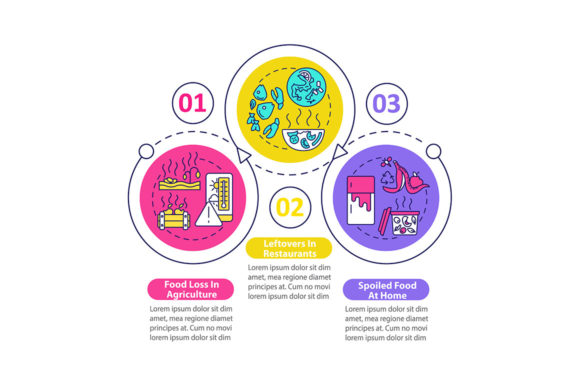
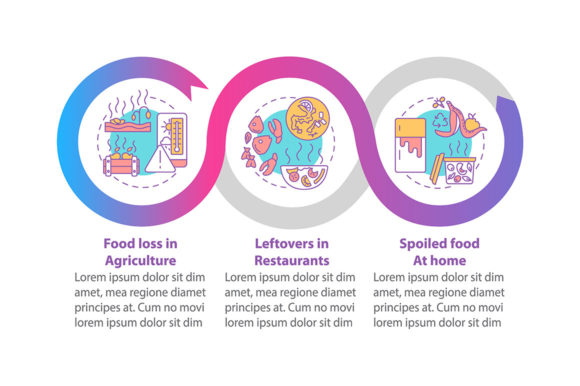
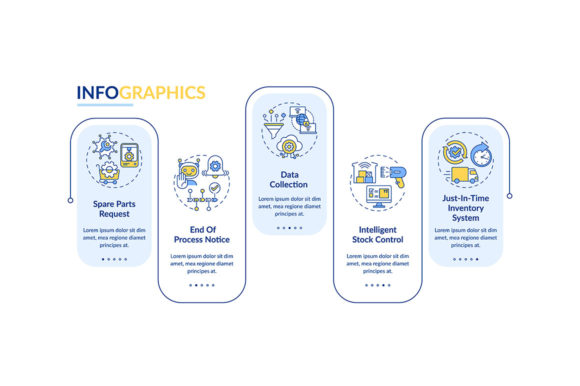
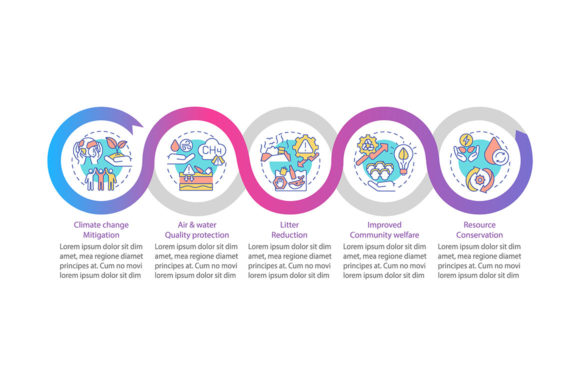
The Organic Waste Reducing Infographic immediately conveys a sense of clarity and purpose. Its clean layout, linear icons, and data visualization elements create a modern design that feels approachable yet professional. The use of water quality and conservation presentation design elements makes it ideal for brands focused on environmental responsibility. It’s a graphic design asset that naturally fits into campaigns promoting green living, recycling, or waste reduction.
The five-step process timeline chart adds structure, making it easy to follow and adaptable for different project needs. Whether used in packaging design, social media graphics, or editorial design, this infographic has a visual mood that supports a narrative around sustainability and positive change.
Real-World Applications: From Brand Identity to Print-On-Demand
When working on a handmade business or a small business branding project, having a reliable design asset like the Organic Waste Reducing Infographic can save time and enhance the final result. For instance, if a client wants to launch an eco-friendly product line, this infographic could be integrated into product labels, t-shirt designs, or even printed on tote bags as a statement piece.
It also works well in digital products such as Canva templates or Cricut projects. As a printable design, it can be used in blog visuals, Pinterest pins, or Instagram posts to support content creation. For a print-on-demand seller, this infographic could be part of a design bundle that includes sublimation design, sticker design, or wall art. Its versatility makes it a valuable addition to any creative marketplace offering.
In packaging design, the infographic can serve as a decorative accent or a supporting brand element. When placed on a product mockup, it adds a layer of storytelling that aligns with the brand’s mission. For a local event or seasonal campaign, it could be used in flyers, invitations, or posters to reinforce the theme of environmental awareness.
Best Uses: Large Layouts and Themed Campaigns
This infographic shines in large layout areas where its details can be fully appreciated. As a hero graphic or a main visual element, it can draw attention and communicate complex ideas in a simple, engaging way. It’s particularly effective in themed collections or campaign visuals where consistency and clarity are key.
For a digital ad or web design project, the Organic Waste Reducing Infographic can act as a supporting brand element that reinforces the message without overwhelming the user. In editorial design, it can be used to illustrate articles about environmental issues, adding a visual component that enhances readability and engagement.
Caution Areas: Minimalist Branding and Complex Backgrounds
While the infographic is highly effective in many scenarios, it may not be the best fit for minimalist branding or very clean visual hierarchies. In such cases, its detailed elements might clash with a simpler aesthetic. Similarly, when placed on crowded layouts or complex backgrounds, it can become visually distracting rather than informative.
For professional corporate materials, the infographic might feel too informal. If the goal is to maintain a strict, high-end look, it’s better to choose a more subdued design. Low-contrast designs or projects requiring a lot of text might also benefit from a different visual approach.
Design Considerations: Testing and Commercial Use
Before using the Organic Waste Reducing Infographic for a client project, I recommend testing it in black and white to see how it holds up without color. Checking contrast on light and dark backgrounds is essential, especially if it will be used in web design or social media graphics.
Previewing it at different sizes helps determine its scalability. Placing it on real mockups or testing print quality ensures it meets the project’s requirements. Reviewing file formats—such as SVG design or PNG design—is important for editability and transparency, especially if the client plans to use it in a Cricut project or a t-shirt design.
Comparing it with various font styles can help find the right balance between the infographic’s visual style and the overall design language. Confirming commercial licensing before use is a must, especially for Etsy products or print-on-demand sellers who need to ensure they’re compliant with design asset agreements.
Conclusion: A Valuable Addition to Any Designer’s Toolkit
The Organic Waste Reducing Infographic is a practical design asset that can add value to a wide range of projects. Whether used in brand identity, packaging design, or digital ads, it offers a clear, structured way to communicate environmental messages. Its flexibility makes it suitable for both handmade businesses and larger commercial design efforts.
By understanding its strengths and limitations, designers can make informed decisions about where and how to use it. For those looking to enhance their creative design with meaningful visuals, this infographic is a strong choice that supports both aesthetics and purpose.